
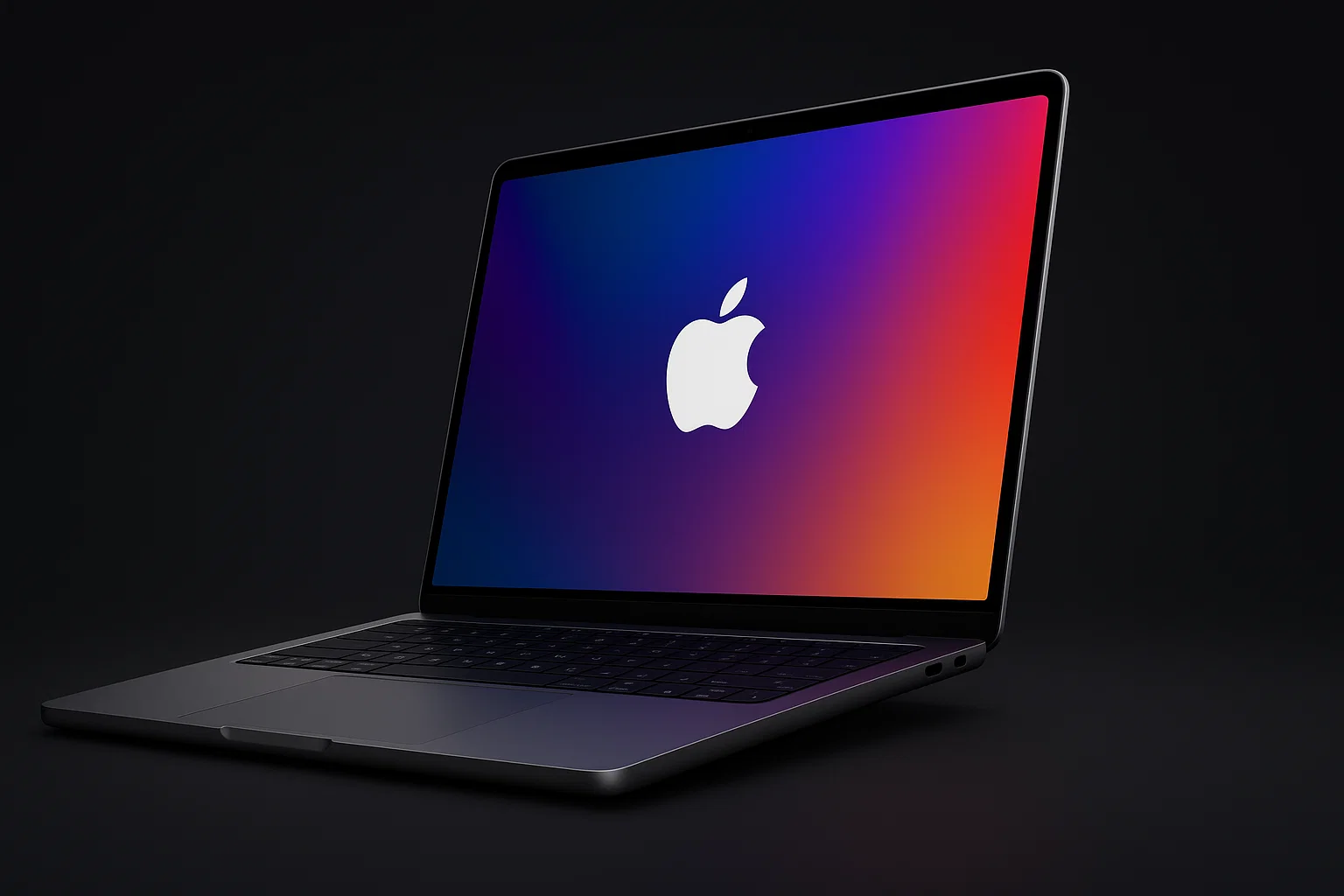
As 2026 approaches, the buzz around upcoming MacBook laptops is swelling. After stable but incremental updates over the past few years, Apple seems ready to deliver a substantial refresh across its MacBook lineup — from flagship Pros to affordable models aimed at students and casual users.
In this blog, we compile the most credible rumours, leaks and reports about all the MacBooks expected to launch in 2026, what they might bring to the table, who they’re meant for, and how they compare. If you are planning to buy or upgrade a MacBook soon, 2026 could be a great — maybe the best — time to wait.
1. Why 2026 Looks Huge for MacBooks
Apple’s latest moves suggest a big refresh cycle. Several credible leaks and insider reports indicate:
- A new generation of chips (Apple M5 / M5 Pro / M5 Max) are being rolled out across both MacBook Air and Pro models.
- For the first time, a potentially affordable MacBook — a budget-friendly machine designed for students, light users or those switching from Windows/Chromebooks — may hit shelves.
- A long-rumoured major refresh for MacBook Pro: OLED displays, touchscreen or touch-support rumours, thinner/light chassis designs — signals a significant design rethink.
Given these developments: 2026 may mark one of the biggest MacBook lineup overhauls in recent years — combining power, affordability, and design upgrades.
2. What MacBooks Are Expected in 2026
Based on current leaks and analyst reports, Apple’s 2026 MacBook lineup may include:
- MacBook Air (13-inch & 15-inch) with M5 chip — sleeker, faster, battery-efficient update to the thin-and-light series.
- MacBook Pro (14-inch & 16-inch) with M5 Pro / M5 Max chips — continuation of Apple’s pro lineup with more power and possibly better displays.
- A budget / entry-level MacBook (code-name / low-cost MacBook) — targeting sub-$1000 (or equivalent) price point, for students, casual users or first-time Mac buyers.
- Potential OLED & Touch-capable MacBook Pro (later in 2026) — several leaks indicate Apple may introduce OLED panels, touch support, lighter chassis and a redesigned form factor for Pro models.
Below, we explore each of these anticipated models — what we might expect, who they’re for, possible pros and cons.
3. Expected 2026 MacBook Models — What We Know (or Hear)
MacBook Air (13″ & 15″) — M5 Edition
The MacBook Air has long been the “gateway MacBook” — thin, light, portable, ideal for students, professionals on the move, writers, remote workers, and everyday users. In 2026, it’s expected to get its most significant upgrade yet.
What’s expected:
- M5 chip under the hood — meaning improved CPU/GPU performance, better power efficiency and smoother multitasking.
- Likely same form factor: thin and light chassis, fanless or low-noise cooling, excellent battery life.
- Continued use of macOS, giving full access to Apple’s ecosystem at a relatively affordable tier.
Who this is for:
- Students, writers, knowledge-workers needing portability.
- Professionals needing a travel-friendly Mac.
- First-time Mac users — switching from Windows/Chromebook.
Potential trade-offs:
- As with all “Air” devices, limited peak performance compared to Pro models (especially for heavy video editing, 3D work, large-scale compiling).
- Not necessarily the ideal “pro workstation.”
MacBook Pro (14″ & 16″) — M5 Pro / M5 Max Editions
For power users — video editors, developers, creatives, data analysts — the MacBook Pro line is the go-to. In 2026, it stands to get a notable refresh.
What’s expected:
- New M5 Pro and M5 Max chips offering higher CPU/GPU performance, better memory bandwidth, faster SSDs and improved AI/ML workloads.
- Likely no radical design overhaul in the first half of 2026 — Apple may reserve that for a later generation.
- Better performance for professional workloads — video editing, 3D, software compiling, heavy multitasking, generative-AI tasks.
Who this is for:
- Creatives: editors, designers, 3D artists.
- Developers: large codebases, compiling projects, virtualization.
- Power users needing extra longevity and performance headroom.
Potential trade-offs:
- Higher price.
- Less portability compared to Air — heavier, thicker (though still slim by older-standards).
Budget / Entry-Level MacBook — A more Affordable Mac in 2026
One of the most interesting rumours: Apple may finally attempt a “budget MacBook” — a lower-cost offering targeting students, casual users, and markets where price sensitivity matters.
What’s expected:
- A simpler / scaled-down display — maybe LCD rather than high-end mini-LED or OLED.
- Smaller screen (possibly similar or slightly less than current 13.6″ Air).
- Possibly an A-series chip (similar to iPhone’s A-series) instead of M-series — for cost savings while maintaining acceptable performance.
- Simplified ports / features to reduce cost, but maintain core macOS compatibility.
Who this is for:
- Students, first-time Mac buyers, those migrating from low-cost Windows/Chromebooks.
- Casual users: writing, browsing, streaming, office work.
- Users wanting Mac’s ecosystem and macOS, but with lower budget constraints.
Potential trade-offs:
- Performance limited compared to Air/Pro.
- Display and build may be more modest.
- Possibly less suitable for demanding workloads (video editing, heavy multitasking, large projects).
4. What’s New: Design & Display Upgrades — OLED, Touch, Slimmer MacBook Pro?
Beyond chips and price tiers, the 2026 MacBook roadmap reportedly includes major design ambitions — especially for the Pro line.
OLED Displays & Touch-Support (Potential)
Multiple leaks and reports suggest Apple may introduce OLED panels (instead of current mini-LED / LCD) for its MacBook Pro 2026 refresh — possibly with touchscreen or on-cell touch input. That would be a significant shift in form and functionality.
Benefits could include:
- More vibrant colors, deeper blacks — ideal for video editors, designers, creatives.
- Better energy efficiency (OLED panels often use less power when displaying darker content).
- Touch support could make Pro laptops more versatile — especially with apps that benefit from pointer-plus-touch inputs.
Potential Chassis / Portability Improvements
Rumours mention thinner, lighter chassis designs, possibly integrating refinements around cooling (for more powerful chips) while keeping MacBook sleekness.
Positioning — Diverse MacBooks for Diverse Needs
If the rumours hold, by late 2026 Apple’s MacBook lineup may be more diversified than ever:
- Entry-level MacBooks for affordability.
- Lightweight MacBook Air for portability + power.
- MacBook Pro for high-end workflows.
- Pro with OLED/touch for creatives, designers, pro-level video & content.
5. Expected 2026 MacBook Lineup — Spec Overview (Summary Table)
Here’s a table summarizing the expected 2026 MacBook models, their target users, and what each brings to the table:
6. What This Means for Buyers — Should You Wait or Buy Now?
Given the expected 2026 lineup, here’s a breakdown of who should consider waiting — and who might be better off buying now:
Reasons to Wait (if you can)
- You want a budget-friendly Mac — the entry-level MacBook could be a great way to get macOS without paying Pro prices.
- You need maximum performance or display quality — the new OLED/touch MacBook Pro, or M5 Pro/Max MacBook Pro, could be worth the wait.
- You’re buying for long-term use or heavy workloads — newer chips and features will likely mean better longevity and resale value.
When Buying Now Makes Sense
- You want a stable, reliable laptop now — current MacBook Air or MacBook Pro are already excellent devices.
- You don’t need top-end performance — for everyday work, school, writing, browsing, the 2025/2024-era MacBooks are already strong.
- You need a Mac immediately — waiting may mean no laptop for weeks/months.
7. Potential Risks & What Could Go Wrong
Of course, these are mostly based on rumours and leaks. Some safeguards:
- Apple could delay release — supply-chain issues, chip manufacturing constraints, or design finalisations may push some models to late 2026 or even 2027.
- Not all rumours pan out — OLED or touch support might only come in a subset of Pro models, or may be postponed entirely.
- Entry-level MacBook compromises — lower display quality or performance may disappoint some buyers.
- Price hikes — with OLED, new chips, and premium builds, Pro models may get more expensive.
8. What Buyers Should Watch Closely — Key 2026 Signals
If you’re planning to buy or wait, keep an eye on:
- Official announcements from Apple (especially early 2026).
- Confirmation of M5 chip specs — performance gains, battery metrics, efficiency.
- Whether OLED + touch-screen MacBook Pro becomes real — that significantly influences value for creatives/designers.
- The price and specs of the rumored budget MacBook — could redefine “entry-level Mac” value.
- Build quality, port availability, and real-world user feedback once new models arrive.
9. Long-Term Outlook: Why 2026 Could Set the Tone for Mac’s Next Decade
If Apple delivers on its 2026 roadmap, we may see a shift in how laptops — and MacBooks in particular — are positioned and used:
- MacBooks become more inclusive: from students and casual users through to pros and creatives, across a broader price & performance range.
- Mac ecosystem expands: more users easily enter the Apple universe with a lower-cost laptop — potentially leading to increased adoption of macOS + Apple’s services.
- More competition for premium Windows laptops: with OLED, touch, and powerful chips, MacBooks may become even more attractive to professionals.
- Future-proofing for AI & creative workloads: with powerful chips and better displays, MacBooks may become go-to for AI tools, creative suites, and demanding workloads.
10. Final Thoughts — 2026: The Year of MacBook Choice & Flexibility
2026 promises to be a landmark year for Apple’s MacBook lineup. With rumours of M5-powered Airs and Pros, a budget-friendly MacBook, and possibly OLED/touch MacBook Pro, users may finally get a MacBook that exactly matches their needs — whether that’s portability, performance, affordability, or premium features.
If you’re not in a hurry, waiting for the 2026 refresh makes sense. But if you need a laptop now, the current generation remains excellent. Either way, Apple’s evolving MacBook strategy shows a focus on diversity, choice, and future-readiness — and that’s great news for consumers.