

Technology is reshaping medicine faster than ever. From AI diagnosis to robotic surgeries, healthcare is entering a new era where machines help train doctors more safely and effectively. One of the most innovative inventions in this journey is the Pregnancy Robot — a life-like robotic system designed to simulate pregnancy, labor, and childbirth in the most realistic way possible.
In 2025, pregnancy robots are being adopted in medical colleges, training centers, and advanced hospitals around the world. They are helping doctors and nurses gain real-life obstetric skills without risking the life of an actual pregnant woman.
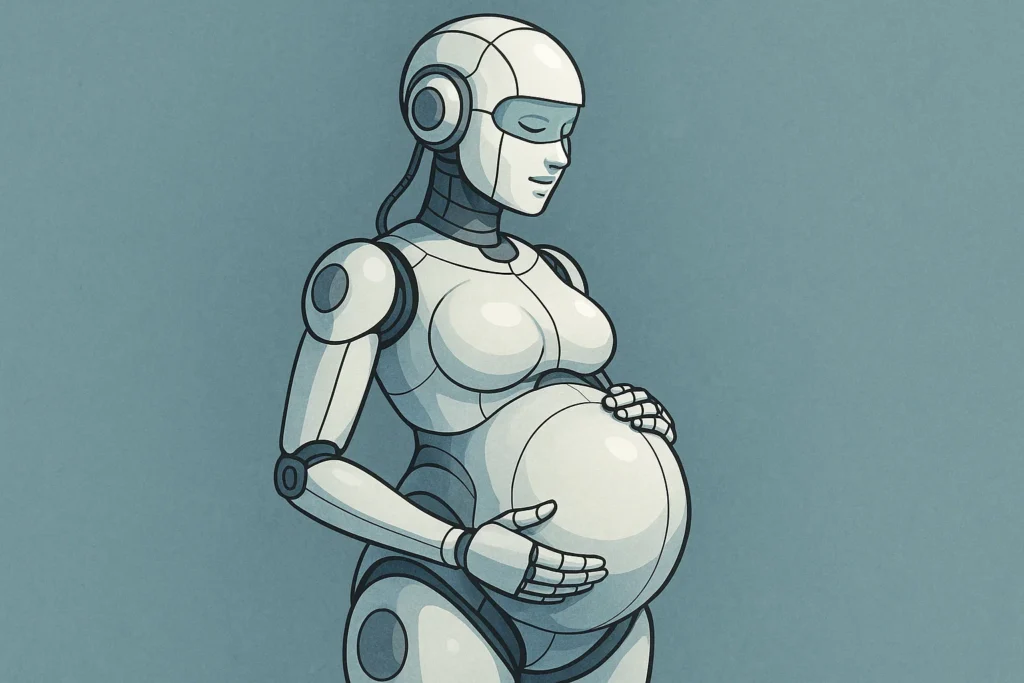
This detailed guide explains everything about pregnancy robots — how they work, their features, benefits, challenges, types, and the future of this groundbreaking technology.
What Is a Pregnancy Robot?
A pregnancy robot is a human-sized robotic mannequin that imitates pregnancy, labor pain, contractions, complications, and childbirth. It is used to train medical students, midwives, and doctors in a safe, controlled, and repeatable environment.
• Simulates Real Pregnancy and Labor
The robot mimics the physical changes of pregnancy, including a growing abdomen, fetal movement, and the progression of labor. It helps trainees understand how real childbirth happens from start to finish. This creates a natural and immersive learning experience.
• Used for Doctor and Nurse Training
Medical colleges and hospitals use pregnancy robots to train students without involving actual patients. It allows repeated practice until the trainee becomes confident and skilled. This reduces mistakes when treating real pregnant women.
• Looks and Responds Like a Human
The robot has a human-like face, body, skin texture, and voice. It can show pain, discomfort, and breathing variations during labor. This helps doctors practice both medical procedures and patient communication.
• Advanced AI Technology Inside
Artificial Intelligence controls the robot’s body movements, contractions, and responses. Sensors detect how the doctor performs each procedure and give instant feedback. This results in highly accurate and effective medical training.
Why Was the Pregnancy Robot Created?
Childbirth is unpredictable. Even small mistakes can cause serious complications for the mother or baby. Many emergency situations rarely occur, so medical students may never get real-life experience until the crisis actually happens.
Pregnancy robots solve this problem by recreating dozens of childbirth situations in a safe environment.
• To Reduce Risk in Real Deliveries
Practicing on a robot means no real mother is exposed to danger. Students can make mistakes and learn from them without harming anyone. This leads to safer real-life deliveries.
• Train Doctors for Rare Complications
Some emergencies — like breech delivery or severe bleeding — happen rarely but are extremely dangerous. Robots allow trainees to practice these emergencies repeatedly until they master them.
• Improve Decision-Making Skills
During childbirth, doctors must make quick and accurate decisions. The robot creates high-pressure simulation environments that help medical students stay calm and respond correctly.
• Standardize Medical Training
All students can experience the same scenarios, ensuring equal learning opportunities. This is impossible with real patients because every childbirth is different.
How Does a Pregnancy Robot Work?
Pregnancy robots combine AI, sensors, motors, air pressure systems, and computer controls to simulate a real pregnant woman’s body.
Here’s how the system works internally:
• Artificial Baby Movement
Inside the robot’s abdomen is a fetal model that moves like a real baby. It can change position, rotate, shift, and respond to contractions. This helps doctors practice delivering the baby in many different situations.
• Contraction Simulation
Using pneumatic (air-pressure) systems and motors, the robot produces realistic contractions. They start mild, grow stronger, and peak during active labor — just like real childbirth. Trainees learn how to monitor and manage contractions properly.
• Voice and Emotional Simulation
The robot can talk, scream, cry, breathe heavily, or express discomfort. This teaches medical professionals how to provide emotional support, communicate clearly, and guide the mother during labor.
• Sensors to Track Touch and Technique
Built-in sensors track how much pressure the doctor applies, how instruments are used, and whether the baby is delivered safely. If the technique is wrong, the robot alerts the software for instant feedback.
• Realistic Delivery Process
The robot can simulate the entire birth process — head crowning, shoulders coming out, full baby delivery, and placenta expulsion. The AI adjusts the process depending on how the trainee performs.
Types of Pregnancy Robots
Not all pregnancy robots are the same. Some are basic, while others are extremely advanced with full AI.
• Basic Pregnancy Simulators
These are simple mannequins used for normal delivery training. They don’t have advanced sensors or voice responses but help students learn basic procedures.
• Advanced Labor Robots
These include realistic contractions, sound simulation, bleeding control, and fetal movement. They are used in hospitals and advanced training labs for high-quality practice.
• Mother + Baby Robotic Sets
In these systems, both the mother and the newborn robot interact with each other. Doctors can practice newborn care after delivery, such as breathing support, cleaning, or emergency handling.
• High-Fidelity AI Robots
These are the most expensive and advanced. They simulate dozens of complications, respond intelligently, and provide detailed performance analytics. Used in top medical institutes worldwide.
Key Features of Pregnancy Robots
Modern pregnancy robots come with advanced features that make childbirth simulations extremely realistic.
• Human-like Anatomy
The robot’s pelvis, cervix, abdomen, and birth canal are designed to feel and function like real human anatomy. This helps medical students understand actual physical conditions during childbirth.
• Artificial Cervical Dilation
The robot’s cervix expands from 1 cm to 10 cm according to labor progression. Students can check dilation and learn how to assess labor stages properly.
• Baby Heartbeat and Movement
The fetal model inside has a heartbeat, movements, and position changes. Trainees learn to recognize fetal distress signs and manage them correctly.
• Bleeding Simulation
The robot can simulate mild, moderate, or heavy bleeding. This helps doctors practice lifesaving techniques, especially for postpartum hemorrhage.
• Emergency Scenarios
The robot can shift instantly into emergency modes such as breech birth, umbilical cord prolapse, twin delivery, or fetal distress.
• Wireless Software Control
Doctors can control and monitor everything from a computer or tablet. Instructors can change the scenario anytime to test the trainee’s reaction.
Benefits of Pregnancy Robots
Pregnancy robots improve the quality of maternal healthcare worldwide.
• Safe Training Without Risk
Students can practice repeatedly without harming real pregnant women. This creates a safe learning environment where mistakes don’t cost lives.
• Reduces Maternal and Infant Mortality
Well-trained doctors handle emergencies faster and more accurately. This reduces complications and improves safety during real childbirth.
• Enables Practice of Rare Emergencies
Even rare and dangerous complications can be practiced repeatedly. This prepares doctors for situations they might never see during training otherwise.
• Boosts Confidence of Medical Students
Hands-on practice makes students more comfortable and confident in real medical settings. They become better prepared for actual deliveries.
• Improves Communication Skills
Since robots can talk and express emotions, trainees learn how to comfort and guide a patient during labor — a crucial skill for medical professionals.
Real-World Use of Pregnancy Robots
Pregnancy robots are already being used in many countries.
• Medical Colleges
Students get realistic training from day one. They learn both normal delivery and emergency care before treating real patients.
• Hospitals
Doctors practice emergency drills to stay prepared. Teams learn how to coordinate effectively during crisis situations.
• Research Centers
Scientists use pregnancy robots to study childbirth mechanics, test new devices, and develop safer medical procedures.
• NGOs in Developing Countries
Some organizations donate pregnancy robots to rural hospitals to train local staff. This improves maternal healthcare in remote areas.
Challenges of Pregnancy Robots
While pregnancy robots are revolutionary, they are not perfect.
• High Cost
Advanced pregnancy robots can cost $30,000–$150,000. This makes them unaffordable for small hospitals and training centers.
• Maintenance Needs
Robots need software updates, motor repairs, and calibration from time to time. This requires trained technicians.
• Limited Realism in Emotions
Although robots mimic emotions, they cannot completely recreate the complex feelings of a real pregnant woman.
• Learning Curve
Doctors must learn to operate the simulator before using it effectively. This requires additional training time.
Future of Pregnancy Robots
The future of maternal care and medical training is bright with robots becoming more advanced every year.
• Fully Autonomous Training Robots
Future robots will guide students step-by-step, correcting mistakes in real time. This reduces the need for constant instructor supervision.
• Digital Twin Pregnancy
Doctors may practice on a virtual copy of a real patient, allowing personalized training based on actual medical data.
• VR + Robotics Integration
Students will use VR headsets while interacting with the robot, giving a 360-degree view of childbirth. This enhances depth and realism.
• Remote Global Training
A doctor in India could train using a robot controlled by an instructor in the USA. Global medical education will become more accessible.
• More Affordable Models
As technology becomes cheaper, even small clinics will be able to buy pregnancy robots, improving training worldwide.
Conclusion
Pregnancy robots represent a major breakthrough in medical education. They allow trainees to experience real childbirth conditions without putting any mother or baby at risk. With advanced sensors, AI-driven decision-making, realistic anatomy, and emergency simulations, these robots prepare doctors and nurses for every possible scenario.
As technology grows, pregnancy robots will become more intelligent, affordable, and widely used. They are not just machines — they are tools that help save lives, improve maternal care, and shape the future of childbirth.